
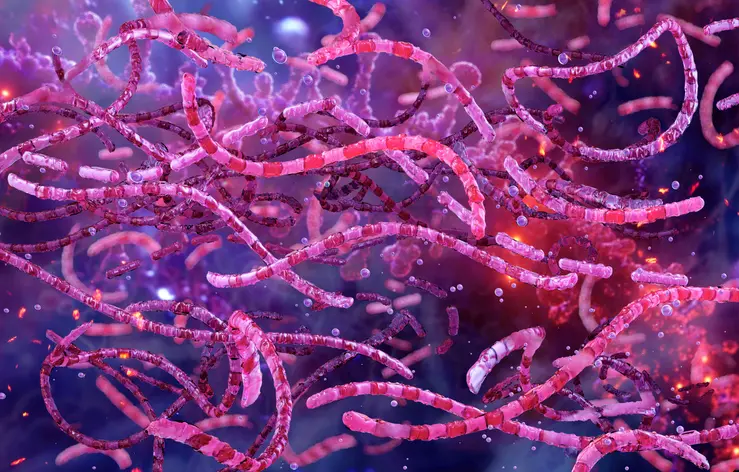
The first vaccine for anthrax was developed in the late 19th century by Louis Pasteur for use in animals. This vaccine was believed to be a heat attenuated whole-cell vaccine; however, scientists now believe that the vaccine contained some bacteria that produced small amounts of the toxin. While considered effective at preventing anthrax in animals, it was also known to cause disease and death in some. In the late 1930s, Max Sterne developed a live-spore-containing vaccine for use in animals which largely replaced Pasteur’s vaccine.
IMPORTANT NOTE: NVIC “Quick Facts” is not a substitute for becoming fully informed about anthrax and the anthrax vaccine. NVIC recommends consumers read comprehensive information NVIC provides on anthrax, the vaccine manufacturer product information inserts, and speak with one or more trusted health care professionals before making a vaccination decision for yourself or your child.
The first vaccine for anthrax was developed in the late 19th century by Louis Pasteur for use in animals. This vaccine was believed to be a heat attenuated whole-cell vaccine; however, scientists now believe that the vaccine contained some bacteria that produced small amounts of the toxin. While considered effective at preventing anthrax in animals, it was also known to cause disease and death in some. In the late 1930s, Max Sterne developed a live-spore-containing vaccine for use in animals which largely replaced Pasteur’s vaccine.