





Read and report vaccine reactions, harassment and failures.
Pneumococcal disease & vaccine information
Below are brief introductions to pneumococcal disease and the pneumococcal vaccine with links to more information. Scroll down for a list of QUICK FACTS that provide a summary overview of key facts for the disease and the vaccine.
Pneumococcal: The Disease
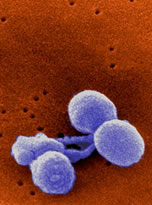
Pneumococcal disease is an infection caused by Streptococcus pneumoniae (S. pneumoniae) bacteria. Only a few of the serotypes cause the majority of pneumococcal infections but nearly all serotypes have the ability to cause serious disease. S. pneumoniae are frequently found in the respiratory tract and up to 90 percent of healthy people may have the bacteria present in the nasopharynx (upper area of the throat behind the nose). Between 20 and 60 percent of all school children may also carry the bacteria.
Most pneumococcal infections are mild, however, serious illness can occur. S. pneumoniae can cause several types of infections, including pneumonia, ear infections, sinus infections, bloodstream infections (bacteremia) and meningitis. Less commonly, S. pneumoniae can cause bacterial bone and joint infections, pericarditis, endocarditis, and peritonitis. …
Pneumococcal Vaccine
There are five pneumococcal vaccines approved and recommended for use by the U.S. Food and Drug Administration (FDA) and the U.S. Centers for Disease Control and Prevention (CDC). There are different rules for use of these vaccines by different aged groups. Prevnar 13 (PCV13), Prevnar 20 (PCV20), and VAXNEUVANCE (PCV15) are FDA approved pneumococcal conjugate vaccines approved for use in individuals six weeks of age and older for the prevention of invasive pneumococcal disease. CAPVAXIVE (PCV21) is an FDA approved pneumococcal conjugate vaccine approved for use in adults 18 years and older for the prevention of pneumonia and invasive pneumococcal disease caused by S. pneumoniae. PNEUMOVAX23 is a pneumococcal polysaccharide vaccine (PPSV) approved for use in adults 50 years of age or older and in children 2 and older who are at increased risk for pneumococcal disease. Learn more about Pneumococcal vaccine…
Pneumococcal Disease & Vaccine Quick Facts
Pneumococcal
- Symptoms of pneumococcal infection include sudden onset of fever and fatigue, sneezing and cough with mucus and shortness of breath. The infection may start with a general feeling of being unwell, a low-grade fever and a cough that doesn’t include mucus before symptoms worsen. Symptoms of pneumococcal meningitis (brain inflammation) include stiff neck (inability to touch the chin to chest without moderate to severe pain in the back of the neck and head); headache; extreme fatigue or seizures. Symptoms of otitis media include a painful ear, red or swollen eardrum, fever, and irritability.
- Pneumococcal bacteria are primarily transmitted through respiratory secretions by coughing and sneezing. Persons most at risk of developing invasive pneumococcal disease include immunocompromised individuals, smokers, persons with chronic cardiac, lung, or kidney disease, individuals without a spleen, and persons with cochlear implants or a cerebrospinal fluid leak. Children attending daycare are also at a higher risk. Continue reading quick facts…
Pneumococcal Vaccine
- There are five pneumococcal vaccines licensed by the U.S. Food and Drug Administration (FDA) for use in the U.S. Pneumovax 23 is a pneumococcal polysaccharide vaccine (PPSV23) manufactured by Merck and contains 23 strains of pneumococcal and is approved for use in adults 50 and older and in children two and older who are at an increased risk for pneumococcal disease. Prevnar 13 (PCV13) , Prevnar 20 (PCV20) and VAXNEUVANCE (PCV15) are pneumococcal conjugate vaccines and approved for use in individuals six weeks of age and older for the prevention of invasive pneumococcal disease. CAPVAXIVE (PCV21) is FDA approved for use in adults 18 years and older.
- According to the CDC, PCV7, the original pneumococcal conjugate vaccine, resulted in a 97 percent decrease in invasive pneumococcal disease caused by the seven pneumococcal strains found within the vaccine. However, the mass use of PCV7 vaccine by American children put pressure on some of the nearly 90 additional pneumococcal strains known to cause invasive disease resulting in an increased rate of otitis media from by strains not included in the seven-valent vaccine. In an attempt to prevent six additional pneumococcal strains from causing invasive disease, PCV13 vaccine was developed to replace PCV7. Current research indicates that while PCV13 has significantly decreased nasopharyngeal colonization with the strains found within the vaccine, replacement with non-vaccine type strains continues. PCV15, PCV20, and PCV21 were developed to target additional pneumococcal strains not covered by PCV13, however, there is no clinical data available to determine these newer pneumococcal vaccines will prevent invasive pneumococcal disease caused by the strains targeted by these vaccines. Continue reading quick facts…
NVIC encourages you to become fully informed about Pneumococcal and the Pneumococcal vaccine by reading all sections in the Table of Contents below, which contain many links and resources such as the manufacturer product information inserts, and to speak with one or more trusted health care professionals before making a vaccination decision for yourself or your child. This information is for educational purposes only and is not intended as medical advice.