Vaccines & Disease · Rotavirus

Rotavirus Disease & Vaccine Information

Below are brief introductions to rotavirus disease and the rotavirus vaccine with links to more information. Scroll down for a list of QUICK FACTS that provide a summary overview of key facts for the disease and the vaccine.
The Disease

Rotavirus: The Disease

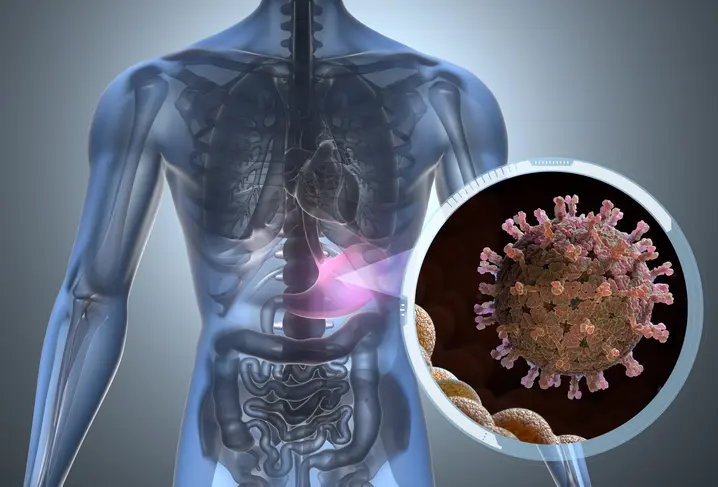
The rotavirus is a very contagious RNA virus that belongs to the Reoviridae family, and is thought to be the most common cause of severe diarrhea among children worldwide.1 Laboratory testing is required to confirm a diagnosis of rotavirus2 and most cases occur in children ages three to 35 months; however, older children and adults can still develop the infection.3

Virtually all children become infected with rotavirus in the first five years of life. Infants younger than three months of age may not develop diarrhea symptoms when they are infected with rotavirus because they have maternal antibodies transferred from their mother to protect them in the first few months of life, including through breastfeeding.4 The virus spreads when individuals come into contact with an infected person’s body fluids or feces, or items that have been in contact with the feces of an infected person.5

The Vaccine

Rotavirus Vaccine

There are two FDA-approved oral rotavirus vaccines available for use in the United States, both approved for use in infants between the ages of six and 24 weeks. Both vaccines contain genetically engineered live attenuated human rotavirus strains, but differ in how they are made and in the number of doses prescribed when they are given.

Both vaccines are live virus vaccines and transmission of vaccine virus has been reported from vaccine recipients to non-vaccinated contacts. These vaccines have not been evaluated for carcinogenic or mutagenic potential, or for impairment of fertility.67

Quick Facts

Rotavirus at a glance

Rotavirus Quick Facts

  1. There are five main strains that cause more than 90 percent of human rotavirus infections in developed countries, such as the U.S., but rotavirus strains are more diverse in developing countries.8
  2. By 1980, the CDC had declared rotavirus to be the most frequent cause of serious gastrointestinal illness in infants and toddlers and estimated that the virus caused between 20 and 60 deaths annually in the United States. The infection, however, has never been a nationally notifiable disease, therefore it is not known how many cases actually occur each year.9

Rotavirus Vaccine Quick Facts

  1. Common side effects from the rotavirus vaccines include diarrhea, vomiting, irritability, otitis media (inflammation of the middle ear), nasopharyngitis (inflammation of the nasal passages and cold-like symptoms), and bronchospasm (asthma and bronchitis-like symptoms). Reported serious adverse reactions following rotavirus vaccination include intussusception (bowel blockage), Kawasaki Disease (inflammation of the blood vessels), ear infection and pneumonia.1011
  2. Contraindications to vaccination include severe allergic reaction (anaphylaxis) to vaccine or vaccine component, history of intussusception, and severe combined immunodeficiency (SCID).12

IMPORTANT NOTE: NVIC encourages you to become fully informed about rotavirus and rotavirus vaccines by reading all sections in the Table of Contents, which contain many links and resources such as the manufacturer product information inserts, and to speak with one or more trusted health care professionals before making a vaccination decision for yourself or your child. This information is for educational purposes only and is not intended as medical advice.

References
  1. 1World Health Organization (WHO). Background. Nov. 18, 2023.
  2. 2Cortese MM, Parashar UD. Prevention of Rotavirus Gastroenteritis Among Infants and Children Recommendations of the Advisory Committee on Immunization Practices (ACIP). MMWR. Feb. 6, 2009.
  3. 3Mayo Clinic. Rotavirus. Apr. 28, 2021.
  4. 4Communication and Education Branch, National Center for Immunization and Respiratory Diseases (NCIRD) and the Centers for Disease Control (CDC). Rotavirus. 13th ed. Centers for Disease Control (CDC). Aug. 18, 2021.
  5. 5Communication and Education Branch, National Center for Immunization and Respiratory Diseases (NCIRD) and the Centers for Disease Control (CDC). Rotavirus. 13th ed. Centers for Disease Control (CDC). Aug. 18, 2021.
  6. 6Merck Sharp & Dohme Corp. Package Insert – RotaTeq. U.S. Food and Drug Administration. Aug. 17, 2020.
  7. 7GlaxoSmithKline Biologicals. Package Insert – Rotarix. U.S. Food and Drug Administration. Nov. 7, 2022.
  8. 8Communication and Education Branch, National Center for Immunization and Respiratory Diseases (NCIRD) and the Centers for Disease Control (CDC). Rotavirus. 13th ed. Centers for Disease Control (CDC). Aug. 18, 2021.
  9. 9Communication and Education Branch, National Center for Immunization and Respiratory Diseases (NCIRD) and the Centers for Disease Control (CDC). Rotavirus. 13th ed. Centers for Disease Control (CDC). Aug. 18, 2021.
  10. 10Merck Sharp & Dohme Corp. Package Insert – RotaTeq. U.S. Food and Drug Administration. Aug. 17, 2019.
  11. 11GlaxoSmithKline Biologicals. Package Insert and Patient Information – Rotarix. U.S. Food and Drug Administration. Nov. 7, 2023.
  12. 12US Centers for Disease Control and Prevention. Contraindications and Precautions. Aug. 1, 2023.
Select disease / vaccine