
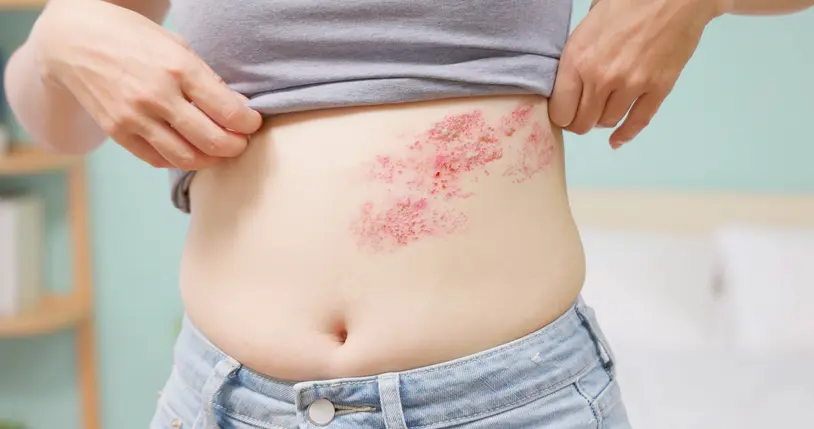
SHINGRIX1 and Zostavax2 vaccines for shingles are licensed for use in healthy adults age 50 and older. SHINGRIX is also licensed for use in persons 18 years and older who are immunocompromised.3
In 2018, the CDC recommended that all adults 50 years of age and older receive two doses of SHINGRIX vaccine. SHINGRIX was recommended over Zostavax despite unknown long-term serious side effects and long-term effectiveness.4 Zostavax was discontinued in the U.S. in November 2020.5
Individuals who have a history of severe allergic reactions to any component of the vaccine or to a previous dose of the vaccine should not receive SHINGRIX vaccine.6 Pregnant or breastfeeding women, persons who currently have a shingles infection, and individuals who are moderately or severely ill should not receive SHINGRIX or should wait until illness symptoms have resolved.7 There are no studies on the safety or effectiveness of administering SHINGRIX vaccine less than 5 years after receipt of Zostavax shingles vaccine.8
According to the Zostavax vaccine package insert, individuals who have had a previous life-threatening or severe allergic reaction to gelatin or the antibiotic neomycin, those who are immunosuppressed or immune deficient, and pregnant women should not receive Zostavax vaccine. Pregnancy should be avoided for 3 months following administration of Zostavax. Persons who are acutely ill or those with active untreated tuberculosis should defer Zostavax vaccination until healthy.9
IMPORTANT NOTE: NVIC encourages you to become fully informed about Shingles and the Shingles vaccine by reading all sections in the Table of Contents, which contain many links and resources such as the manufacturer product information inserts, and to speak with one or more trusted health care professionals before making a vaccination decision for yourself or your child. This information is for educational purposes only and is not intended as medical advice.