
Below are brief introductions to shingles disease and the shingles vaccine with links to more information. Scroll down for a list of QUICK FACTS that provide a summary overview of key facts for the disease and the vaccine.
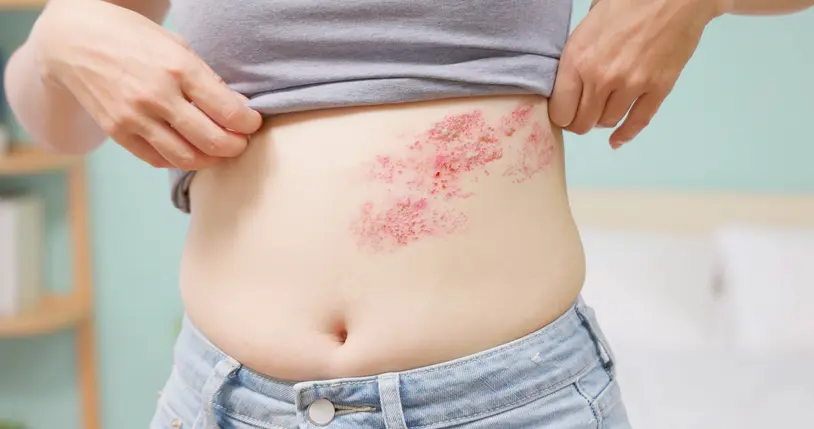
Herpes zoster, also known as shingles, is an inflammation of nerves and the surrounding area of skin caused by varicella zoster (chickenpox) virus infection.1 Shingles usually occurs when the dormant varicella zoster virus is reactivated in an adult who has recovered from chickenpox as a child.2 Shingles most commonly occurs in individuals over 50 years of age.3
Today, after chickenpox vaccine has been widely used by children since 1995 and has interrupted natural circulation of the varicella zoster virus in the U.S. population,4 experts believe that half of Americans reaching 85 years of age will experience shingles at some point in their lifetime.5
There are two shingles vaccines licensed for use in the U.S.: Zostavax live attenuated vaccine by Merck6 and SHINGRIX, a genetically engineered and adjuvanted recombinant vaccine by GlaxoSmithKline Biologicals.7 Zostavax was discontinued in the U.S. in November 2020.8
Zostavax live attenuated shingles vaccine, licensed in 2006, is a much more potent version of Varivax chickenpox vaccine containing 19,500 plaque-forming units of Oka/Merck varicella zoster virus versus 1,350 plaque-forming units in the chickenpox vaccine.9 According to the CDC, Zostavax vaccine reduced shingles by about half (51%) in adults 60 years and older.10
SHINGRIX adjuvanted recombinant vaccine, licensed in 2017, is a two-dose series vaccine administered intramuscularly (injected into muscle) and is a genetically engineered vaccine.11 SHINGRIX is reported to be over 90 percent effective,12 but no test is available to determine immunity to shingles and long-term vaccine effectiveness is unknown.13
IMPORTANT NOTE: NVIC encourages you to become fully informed about Shingles and the Shingles vaccine by reading all sections in the Table of Contents, which contain many links and resources such as the manufacturer product information inserts, and to speak with one or more trusted health care professionals before making a vaccination decision for yourself or your child. This information is for educational purposes only and is not intended as medical advice.