Vaccines & Disease · Hib

Hib disease and vaccine quick facts

3 min read
01

Haemophilus Influenzae Type B (Hib) Quick Facts

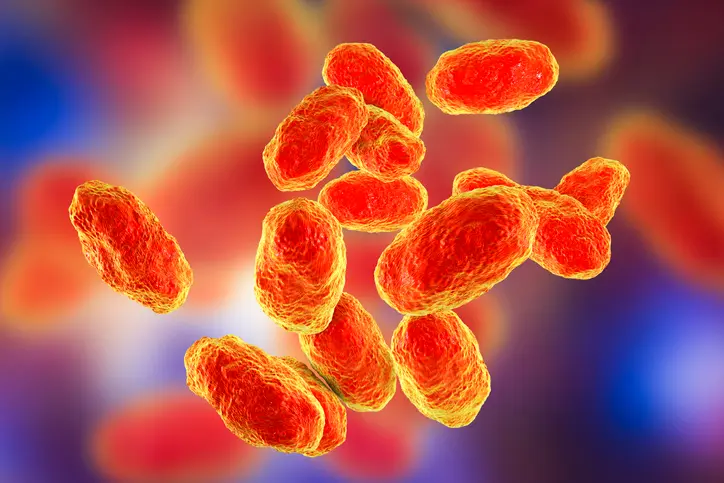
  • Haemophilus influenzae type b (Hib) is a bacterial infection that can cause severe illnesses in children, including meningitis, epiglottitis, pneumonia, arthritis, and cellulitis;1
  • Hib meningitis, an infection of the membranes covering the brain and one of the most serious complications of Hib, may occur following an upper respiratory illness. Infection can spread from the sinuses and lungs into the bloodstream and to the brain causing meningitis;2
  • Hib is spread through person-to-person transmission, mostly through the air. It is often found in the respiratory tracts of adults with no noted symptoms or adverse effects.3 Hib must enter into the bloodstream for it to cause meningitis or other forms of invasive disease;4
  • Hib infection more frequently occurs in infants and children under the age of five. Other high-risk populations can include Alaska Natives, American Indians, adults 65 years of age and older, and persons with certain medical conditions, including immunosuppression;5
  • In general, the transmission of Hib is considered to be limited and when it occurs, it usually affects only close contacts such as household members.6 Prior to the introduction of the Hib vaccine, most children acquired natural immunity to Hib by the time they were five or six years old.7
02

Hib Vaccine Quick Facts

  • There are five different Haemophilus influenzae type b (Hib) vaccines available for use in the United States: ActHIB, Hiberix, PedvaxHIB, Pentacel (Hib vaccine combined with diphtheria and tetanus toxoids, acellular pertussis adsorbed, and inactivated poliovirus), and VAXELIS (Hib vaccine in combination with diphtheria and tetanus toxoids, acellular pertussis adsorbed, hepatitis B, and inactivated poliovirus.8 The CDC recommends infants receive Hib vaccine at 2, 4, and 6 months of age with an additional booster dose between 12 and 15 months of age. Hib vaccine is also recommended by the CDC for use in older children, adolescents and adults with certain medical conditions,9 however, no Hib vaccines are FDA approved for use in persons over five years of age.10
  • Mild side effects such as redness, warmth, or swelling where the shot was given have been reported in connection with administration of Hib vaccines.11 Systemic reactions, such as fever and irritability can also occur.12 Severe reactions involving Hib vaccination were reported during pre-licensing clinical trials and continue to be reported to the Vaccine Adverse Events Reporting System (VAERS). These include deaths, anaphylactic reactions, asthma, pneumonia, convulsions, noninfectious encephalitis, acute pancreatitis, peripheral neuropathy, Guillain-Barre syndrome, sepsis, seizures, and cerebral edema.1314151617
  • All infants and children who participated in Hib vaccine pre-licensing clinical trials also received other vaccines in addition to the Hib vaccine. As a result, it is not possible to determine the specific adverse reaction to monitor for following Hib vaccination.1819202122 The administration of multiple vaccines also makes it difficult to determine the specific vaccine that might have triggered the reactions reported in both clinical studies and to VAERS.
  • Using the MedAlerts search engine, as of January 2, 2026, there have been 98,847 reports of Hib vaccine reactions, hospitalizations, injuries and deaths following Hib vaccinations made to the federal Vaccine Adverse Events Reporting System (VAERS), including 3,011 related deaths, 20,208 hospitalizations, and 1,889 related disabilities. Approximately 84 percent of HIB vaccine-related adverse events occurred in children under three years of age. Of these Hib-vaccine related deaths reported to VAERS, nearly 92 percent of the deaths occurred in children under three years of age. Of these reported deaths, 2,221 occurred in infants under the age of 6 months.
  • As of December 1, 2025, there had been 185 claims filed in the federal Vaccine Injury Compensation Program (VICP) for injuries and deaths following HIB vaccination, including 36 deaths and 149 serious injuries.
Food & Drug Administration (FDA)

IMPORTANT NOTE: NVIC encourages you to become fully informed about Haemophilus Influenzae Type B (Hib) and the Hib vaccine by reading all sections in the Table of Contents, which contain many links and resources such as the manufacturer product information inserts, and to speak with one or more trusted health care professionals before making a vaccination decision for yourself or your child. This information is for educational purposes only and is not intended as medical advice.

References
  1. 1US Centers for Disease Control and Prevention. Types of Haemophilus influenzae Infections. Haemophilus influenzae March 4, 2022.
  2. 2US National Library of Medicine MedlinePlus. Meningitis – H. influenzae. – H. influenzae. June 17, 2023.
  3. 3US Centers for Disease Control and Prevention. Causes, How It Spreads, and People at Increased Risk. Haemophilus influenzae Mar. 4, 2022.
  4. 4Communication and Education Branch, National Center for Immunization and Respiratory Diseases (NCIRD) and the Centers for Disease Control (CDC). Haemophilus influenzae type b. Haemophilus influenzae Aug. 18, 2021.
  5. 5US Centers for Disease Control and Prevention. Causes, How It Spreads, and People at Increased Risk. Haemophilus influenzae Mar. 4, 2022.
  6. 6Communication and Education Branch, National Center for Immunization and Respiratory Diseases (NCIRD) and the Centers for Disease Control (CDC). Haemophilus influenzae type b. Haemophilus influenzae Aug. 18, 2021.
  7. 7Communication and Education Branch, National Center for Immunization and Respiratory Diseases (NCIRD) and the Centers for Disease Control (CDC). Haemophilus influenzae type b. Haemophilus influenzae Aug. 18, 2021.
  8. 8US Food and Drug Administration. Vaccines Licensed for Use in the United States. Jan. 31, 2022.
  9. 9Briere EC, Rubin L, Moro PL et al. Prevention and Control of Haemophilus influenzae Type b Disease: Recommendations of the Advisory Committee on Immunization Practices (ACIP). Haemophilus influenzae Feb. 28, 2014.
  10. 10US Food and Drug Administration. Vaccines Licensed for Use in the United States. June 1, 2023.
  11. 11US Centers for Disease Control and Prevention. Haemophilus Influenzae Type b (Hib) VIS. Haemophilus Influenzae Type b (Hib) VIS Aug. 6, 2021.
  12. 12Communication and Education Branch, National Center for Immunization and Respiratory Diseases (NCIRD) and the Centers for Disease Control (CDC). Haemophilus influenzae type b. Haemophilus influenzae Aug. 18, 2021.
  13. 13Sanofi Pasteur, SA. Package Insert – ActHIB. U.S. Food and Drug Administration Oct. 14, 2022.
  14. 14GlaxoSmithKline Biologicals. Package Insert – Hiberix. U.S. Food and Drug Administration Oct. 3, 2019.
  15. 15Merck Sharp & Dohme Corp. Package Insert – PedvaxHIB. U.S. Food and Drug Administration Apr. 24, 2019.
  16. 16Sanofi Pasteur Limited. Package Insert – Pentacel. U.S. Food and Drug Administration Oct. 14, 2022.
  17. 17MSP Vaccine Company. Package Insert – VAXELIS. U.S. Food and Drug Administration Apr. 13, 2023.
  18. 18Sanofi Pasteur, SA. Package Insert – ActHIB. U.S. Food and Drug Administration Oct. 14, 2022.
  19. 19GlaxoSmithKline Biologicals. Package Insert – Hiberix. U.S. Food and Drug Administration Oct. 3, 2019.
  20. 20Sanofi Pasteur Limited. Package Insert – Pentacel. U.S. Food and Drug Administration Oct. 14, 2022.
  21. 21Merck Sharp & Dohme Corp. Package Insert – PedvaxHIB. U.S. Food and Drug Administration Apr. 24, 2019.
  22. 22MSP Vaccine Company. Package Insert – VAXELIS. U.S. Food and Drug Administration Apr. 13, 2023.
Select disease / vaccine