
Below are brief introductions to HIB disease and the HIB vaccine with links to more information. Scroll down for a list of QUICK FACTS that provide a summary overview of key facts for the disease and the vaccine.
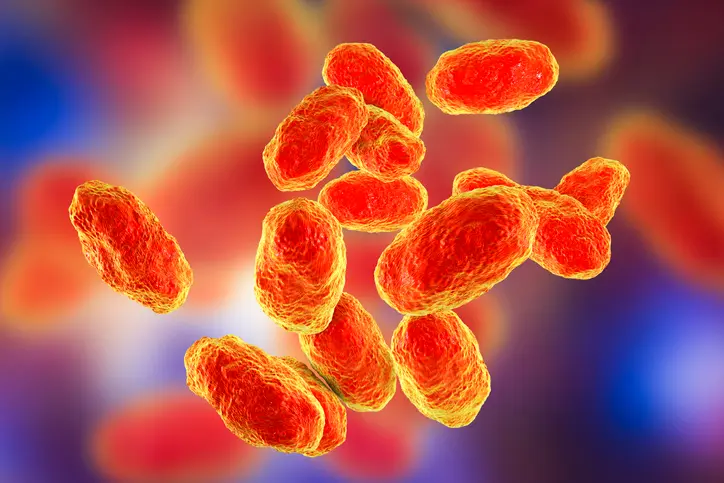
Haemophilus influenzae type b (Hib) is a bacterial infection that can cause severe illnesses in children that include meningitis, epiglottitis, pneumonia, arthritis, and cellulitis.1 Hib meningitis, an infection of the membranes covering the brain and one of the most serious complications of Hib, may occur following an upper respiratory illness. Infection can spread from the sinuses and lungs into the bloodstream and to the brain causing meningitis.2 HIB is transmitted by direct contact with respiratory secretions and enters the body through the upper respiratory tract. In most cases, Hib can remain in the mouth and nose for up to several months, without causing illness.3 In general, HIB is considered to be minimally contagious, however, if a person has close contact to someone who is infected with or is carrying H. influenzae, transmission can occur.4
There are five Haemophilus influenzae type b vaccines available for use by the United States Food and Drug Administration (FDA) and recommended by the Centers for Disease Control (CDC). The CDC has approved Hib vaccine for use in children at 2, 4, 6 and 12-15 months of age.5