
Below are brief introductions to mumps disease and the mumps vaccine with links to more information. Scroll down for a list of QUICK FACTS that provide a summary overview of key facts for the disease and the vaccine.
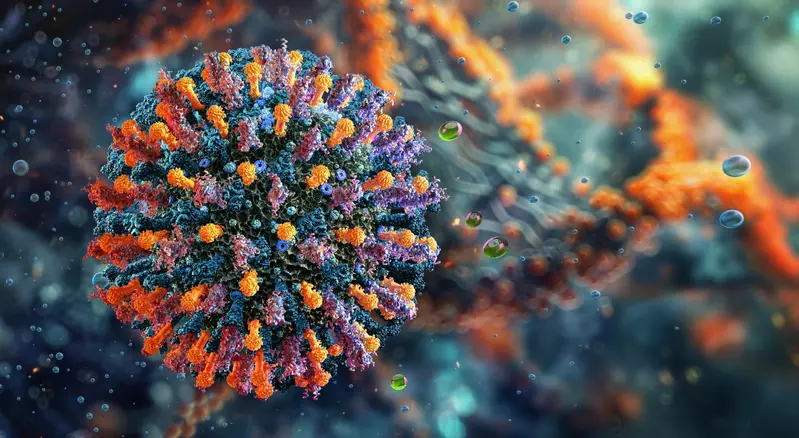
Mumps virus is a contagious paramyxovirus that is comprised of a single-stranded RNA genome.1 Respiratory secretions transmit the virus and the infection begins in the nasopharynx and regional lymph nodes. After exposure, it generally takes 12 to 25 days for symptoms to develop.2 These symptoms typically include headache, muscle aches, tiredness, and loss of appetite.3 During this time, the virus is present in the blood and spreads throughout the body’s tissues.4 Parotitis, swelling of the parotid gland on one or both sides of the face under the ears and chin, is the most common clinical feature of a mumps infection, and typically occurs within the first two days.5 Up to 30 percent of people infected with mumps will have no symptoms of infection and up to 50 percent may exhibit signs of a mild nonspecific illness.6
Mumps is generally a mild disease in childhood, but it can result in complications, which most often occur in adults.7 Complications of mumps include inflammation of the testicles in males, inflammation of the breast tissue and ovaries in females, meningitis, encephalitis, and loss of hearing. Fertility problems following mumps infection are rare.8 Mumps rarely results in death9 and most people recover from mumps infection within a few weeks.10
There are three mumps containing vaccines available for use in the United States. Two vaccines, MMRII11 and PRIORIX12, are combination measles-mumps-rubella (MMR) live virus vaccines. The third, ProQuad13 is a combination measles-mumps-rubella-varicella (MMR-V) live virus vaccine. The CDC recommends that children receive two doses of a mumps containing vaccine, with the first dose between the ages 12-15 months, and the second dose between the ages 4-6 years.14 The CDC also recommends that individuals born after 1957 and that have no laboratory evidence of immunity or documentation of vaccination should receive at least one dose of MMR vaccine.15 Two doses of MMR vaccine are also recommended for healthcare personnel, students entering college and other post-high school educational institutions, as well as international travelers, if they have not already been vaccinated as a child.16
The CDC also recommends MMR vaccination for infants between 6 and 12 months of age who may be traveling internationally.17 However, ProQuad,18 MMRII,19 and PRIORIX20 have only been approved for use in the U.S. for children older than 12 months of age.
IMPORTANT NOTE: NVIC encourages you to become fully informed about mumps and the mumps vaccine by reading all sections in the Table of Contents, which contain many links and resources such as the manufacturer product information inserts, and to speak with one or more trusted health care professionals before making a vaccination decision for yourself or your child. This information is for educational purposes only and is not intended as medical advice.