
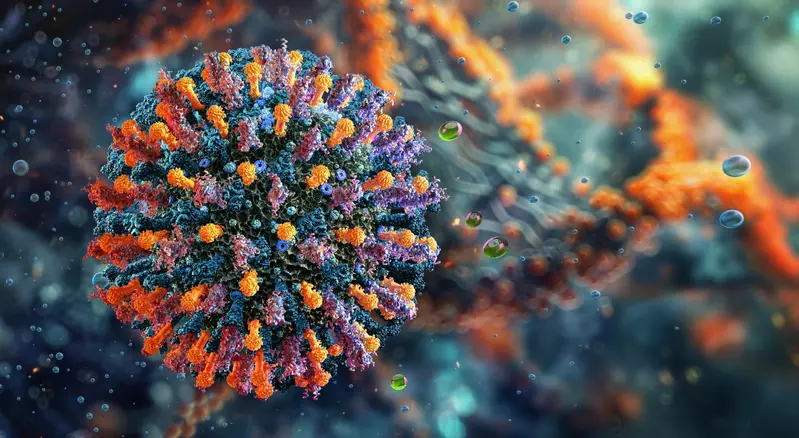
Mumps virus is a contagious paramyxovirus that is comprised of a single-stranded RNA genome.1 Respiratory secretions transmit the virus and the infection begins in the nasopharynx and regional lymph nodes. After exposure, it generally takes an incubation period of 12 to 25 days for symptoms to develop.2 These symptoms typically include headache, muscle aches, tiredness, and loss of appetite.3 During this time, the virus is present in the blood and spreads throughout the body’s tissues.4 Swelling of the parotid gland (parotitis) on one or both sides of the face under the ears and chin, is the most common clinical feature of a mumps infection, and typically occurs within the first two days.5 Up to 30 percent of people infected with mumps will have no symptoms of infection (asymptomatic) and up to 50 percent may exhibit signs of a mild nonspecific illness.6 Mumps is generally a mild disease that most often occurs in childhood; however, it can result in complications, though most complications occur in adults.7
Complications of mumps include inflammation of the testicles in males, inflammation of the breast tissue and ovaries in females, meningitis, encephalitis, and loss of hearing. Fertility problems following mumps infection are rare.8 Mumps rarely results in death9 and most people recover from mumps infection within a few weeks.10
A buccal swab conducted within three days of the onset of parotitis is the most preferred method to diagnose a mumps infection. A blood test to confirm the presence of mumps antibodies (IgM) collected soon after the onset of symptoms can also be completed, although mumps IgM may also be present if collected soon after mumps vaccination.11
IMPORTANT NOTE: NVIC encourages you to become fully informed about Mumps and the Mumps vaccine by reading all sections in the Table of Contents, which contain many links and resources such as the manufacturer product information inserts, and to speak with one or more trusted health care professionals before making a vaccination decision for yourself or your child. This information is for educational purposes only and is not intended as medical advice.