





Read and report vaccine reactions, harassment and failures.
Below are brief introductions to dengue disease and the dengue vaccine with links to more information. Scroll down for a list of QUICK FACTS that provide a summary overview of key facts for the disease and the vaccine.
Dengue: The Disease
Dengue illness is caused by an infection with the dengue virus, a flavivirus, that is transmitted by the Aedes aegypti and the Aedes albopictus mosquitoes, two types of mosquitoes found in subtropic and tropic regions of the world.
There are four dengue serotypes (Type 1, 2, 3, and 4), and infection with one of the dengue viruses will provide a person with long-term immunity from that specific virus. It is possible to become infected with dengue more than once since there are four distinct types of dengue viruses. Learn more about dengue…
Dengue: The Vaccine
The U.S. Food and Drug Administration (FDA) has approved DENGVAXIA, a live dengue tetravalent vaccine targeting dengue serotypes 1, 2, 3, and 4 for use in children and adolescents aged six through 16 years with a laboratory confirmed history of previous dengue infection and living in dengue endemic area. The U.S. Center for Disease Control and Prevention (CDC) recommends DENGVAXIA vaccine for use in children aged nine through 16 years with a laboratory confirmed history of past dengue infection and who live in dengue endemic U.S. Territories and Freely Associated States.
DENGVAXIA is not approved for individuals who have no prior history of dengue infection or where the history of previous infection is not known. Individuals with no prior history of dengue are at an increased risk of developing severe dengue infection should they receive this vaccine and become infected with the dengue virus. Learn more about dengue vaccine…
Dengue & Dengue Vaccine Quick Facts
Dengue
- Dengue is an illness caused by the dengue virus, a virus that is transmitted by infected mosquitoes found in tropic and subtropic regions, including the U.S. Territories and Freely Associated States (Puerto Rico, U.S. Virgin Islands, American Samoa, the Federated States of Micronesia, the Republic of Marshall Islands, and the Republic of Palau), the Caribbean, South and Central America, Southeast Asia, Sub-Saharan Africa, Indonesia, and Northeastern Australia.
- Dengue infection can range from asymptomatic infection, to mild or severe illness. The illness generally presents as a high fever 4-7 days after infection. A red, flat rash covering the entire body often occurs 2-5 days after the fever begins. A second “measles-like” rash may also appear on the skin. Additional symptoms include nausea, vomiting, fatigue, muscle and joint pain, headache mainly behind the eyes, cough, swollen lymph nodes, nasal congestion, and sore throat. Rarely, severe dengue illness can occur, and can lead to hospitalization and even death. Continue reading quick facts…
Dengue Vaccine
- The most commonly reported adverse reactions following vaccination with DENGVAXIA included headache, injection site pain, generalized discomfort (malaise), lack of energy, and muscle pain. Additional reported adverse reactions included abdominal pain, vomiting, shortness of breath, generalized redness of the skin (erythema), hives, asthma crisis, and vertigo. Serious adverse events reported after vaccination include convulsion, acute disseminated encephalomyelitis, hives, acute asthma, and death.
- Using the MedAlerts search engine, as of July 31, 2026, there have been 561 reports of dengue vaccine reactions, including 192 hospitalizations, and 270 deaths. Almost 50 percent of adverse events reported following dengue vaccine resulted in death. Continue reading quick facts…
IMPORTANT NOTE: NVIC encourages you to become fully informed about Dengue and the Dengue vaccine by reading all sections in the Table of Contents, which contains many links and resources such as the manufacturer product information inserts, and to speak with one or more trusted health care professionals before making a vaccination decision for yourself or your child. This information is for educational purposes only and is not intended as medical advice.
What is Dengue?
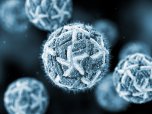
Dengue illness is caused when bitten by a mosquito infected by dengue virus, a flavivirus. The virus is transmitted by two main types of mosquitos: the Aedes aegypti and the Aedes albopictus.
There are four dengue serotypes (Type 1, 2, 3, and 4), and infection with one of the dengue viruses will provide individuals with long-term immunity from that specific dengue serotype. It is possible to become infected with dengue more than once since there are four distinct types of dengue viruses.
Dengue infection can range from asymptomatic infection to mild or severe illness. Illness usually begins with a sudden high fever at 4-7 days following infection. A red, flat rash may develop all over the body 2 to 5 days after the start of the fever. A measles-like second rash may also appear later in the disease process and skin sensitivity and discomfort are common. Additional dengue symptoms also include nausea, vomiting, fatigue, muscle and joint pain, headache mainly behind the eyes, cough, swollen lymph nodes, nasal congestion, and sore throat.
Some individuals may develop a condition known as dengue hemorrhagic fever (DHF), which is a severe and potentially fatal form of dengue. Symptoms of DHF may include stomach pain and tenderness, vomiting three or more times in 24 hours, bleeding from the gums or nose, vomiting of blood or blood in the stool or urine, fatigue, difficulty breathing, bleeding under the skin, irritability, or restlessness. These symptoms generally appear 24-48 hours after the fever has subsided.
Severe dengue is more commonly seen in individuals who are infected a second time due to a condition known as antibody-dependent enhancement (ADE). ADE in dengue occurs when antibodies present in the body of a previously infected individual bind to an infectious dengue virus from a second infection from a different serotype. Dengue ADE causes the virus to become more infectious.
Approximately 25 percent of individuals exposed to dengue will develop symptoms and most people who become sick will recover within one week. Only 5 percent of symptomatic dengue cases will develop severe illness.
The mosquitos that carry the dengue virus are most commonly found in subtropic and tropic areas such as:
- The Caribbean (U.S Virgin Islands, Puerto Rico, etc)
- Southeast Asia
- South and Central America
- Sub-Saharan Africa
- Indonesia and Northeastern Australia
Dengue epidemics are more common during warmer and wetter times of the year, and transmission is more frequently seen in urban areas that are densely populated. In the Americas, dengue outbreaks usually occur every 3 to 5 years.
IMPORTANT NOTE: NVIC encourages you to become fully informed about Dengue and the Dengue vaccine by reading all sections in the Table of Contents, which contains many links and resources such as the manufacturer product information inserts, and to speak with one or more trusted health care professionals before making a vaccination decision for yourself or your child. This information is for educational purposes only and is not intended as medical advice.
Is Dengue Contagious?

Dengue is not spread from person to person. The dengue virus is transmitted to humans by mosquito bites from infected Aedes aegypti and Aedes albopictus mosquitoes. Mosquitoes become infected when they bite humans who have the dengue virus.
There is evidence that pregnant women who become infected with dengue may be capable of transmitting the virus to their newborn baby, however, the risk is believed to be low and dependent on the timing of the illness during pregnancy.
In rare cases, dengue can also be transmitted through organ transplant, blood transfusion, or needle-stick injury.
The transmission of dengue usually occurs as either epidemic dengue or hyperendemic dengue. With epidemic dengue, a single serotype of dengue virus is responsible for cases and outbreaks. Epidemic dengue affects persons of all ages but cases of dengue hemmhoragic fever (DHF) are low. Hyperendemic dengue occurs when more than one dengue serotype circulates within a community. Hyperendemic dengue causes more illness among children than adults, and rates of DHF are higher.
IMPORTANT NOTE: NVIC encourages you to become fully informed about Dengue and the Dengue vaccine by reading all sections in the Table of Contents, which contains many links and resources such as the manufacturer product information inserts, and to speak with one or more trusted health care professionals before making a vaccination decision for yourself or your child. This information is for educational purposes only and is not intended as medical advice.
What is the history of Dengue in America and other countries?
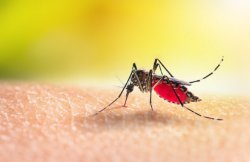
In the Americas, the first probable dengue epidemics were reported to have occurred in 1635 in Guadalupe and Martinique, and Panama in 1699. The origins of the initial outbreaks were not known. However, a description of an outbreak that occurred in Philadelphia in 1780 documented by Benjamin Rush matches the symptoms of the disease. Outbreaks in the 19th Century frequently occurred in port cities in South, North, and Central America, as well as the Caribbean with most outbreaks attributed to commerce. Additional suspected dengue outbreaks occurred in Peru in 1818, and in 1827 and 1828 in the Gulf of Mexico and the Caribbean, although the latter outbreak had clinical similarity to the chikungunya virus. During the 1828 outbreak in Havana Cuba, the disease was named Dunga, and later renamed dengue.
Suspected dengue epidemics were reported in several U.S. cities after 1850, including Mobile, New Orleans, Charleston, Savannah, and Augusta, as well as in Havana Cuba. One of the largest suspected outbreaks of dengue occurred in 1873 in New Orleans and affected more than 40,000 individuals.
In the latter half of the 19th century and early 20th century, outbreaks of suspected dengue illness occurred as far north as the southern U.S, and as far south as Chile and Argentina; however, other viruses such as yellow fever and Chikungunya, with symptoms that are similar to dengue, may have also been responsible some of the outbreaks.
While outbreaks of illness that matched the clinical symptoms of dengue had been described in the medical literature for centuries, the virus was not isolated until 1943.
Four distinct dengue viruses exist, and it is believed that the ancestor of these viruses emerged over 1,000 years ago between mosquitoes and non-human primates. All four dengue viruses are thought to have independently transmitted to humans a few centuries ago.
Dengue type 1 (DENV-1) was initially confirmed in both Japan and French Polynesia in 1943, and Hawaii in 1944 and 1945. Reports of DENV-1 increased throughout Asia by the 1950s. It was first reported in the Americas in 1977 and continues to be responsible for cases and outbreaks in several countries including Puerto Rico, Mexico, and Brazil.
The first cases of dengue type 2 (DENV-2) were reported in Indonesia and Papua New Guinea in 1944, and in the Philippines in 1954. Cases of DENV-2 were reported initially in the Americas in Trinidad and Tobago in 1953, but consistent reporting of the virus did not begin until the late 1960s. In the 1970s many cases were reported in Puerto Rico, and in Brazil by the mid-1980s. In the 1990s, more severe cases of DENV-2 were noted and believed to be the result of the replacement of the circulating DENV-2 genotype with a more virulent one from Asia.
Dengue type 3 (DENV-3) was initially isolated in Thailand and the Philippines in 1953, and since 1962, the virus has been reported in Asia. Thailand reported continuous reports of DENV-3 from 1973 through 2010. Puerto Rico reported its first case of DENV-3 in 1963, and continually until 1978, then again between 1994 and 2008. Most other countries in the Americas did not report DENV-3 until the late 1980s.
Thailand and the Philippines were the first countries to report Dengue type 4 (DENV-4), and have reported cases of the virus since 1953, with most cases reported between 1999 and 2002. It was first reported in the Americas in 1981, with cases reported in Puerto Rico, the U.S. Virgin Islands, Cuba, and Brazil. DENV-4 has been reported in Venezuela and Columbia since the 1990s, and in Peru, Brazil, and Nicaragua since the late 1990s and mid-2000s.
Eradication efforts to eliminate the Aedes aegypti mosquito, one of the two mosquitoes responsible for dengue transmission, initially commenced in Havana Cuba in 1901. This was due in part to the theory that this mosquito was responsible for yellow fever outbreaks. Fumigation and removal of environmental factors that attracted mosquitoes were techniques used in early campaigns. In the 1940s, the Pan American Health Conference focused its eradication efforts in Brazil. By 1947, eradication efforts centered around the use of DDT, and intense campaigns in affected countries were widespread. By 1962, 18 South and Central American countries and several Caribbean islands had eliminated the Aedes aegypti mosquito.
After 1962, eradication efforts became less of a priority, and countries that had successfully eradicated the mosquito were no longer focused on the issue. Additionally, the increase in foreign and domestic travel, the rapid expansion of urban centers with less-than-optimal levels of sanitation, the emergence of DDT-resistant mosquitoes, along with the unwillingness of governments to fund the costly programs played a significant role in the deterioration of eradication efforts during the 1960s. By the 1970s, many countries experienced a reinfestation of the mosquito, which led to outbreaks of several dengue serotypes.
Dengue cases have continued to increase since the 1980s. During the 1980s, around one million cases occurred in the Americas; however, between 2000 and 2007, approximately 4.7 million cases were reported.
The World Health Organization (WHO) reports a 10-fold increase in dengue from 2000 to 2019, from 500,000 cases to 5.2 million cases. Health officials, however, note that reported rates of dengue decreased between 2020 and 2022 due to the COVID-19 pandemic but that rates in 2023 have increased significantly.
According to the WHO, in 2023, over 5 million cases and 5,000 dengue related deaths occurred, with over 4.1 million cases reported in the Americas.
Between 2010 and 2021, the U.S. Centers for Disease Control and Prevention (CDC) reported a total of 7,528 confirmed or probably dengue cases among U.S. travelers. The majority of the cases (20 percent) were reported in 2019. Most cases of dengue were associated with travel to the Caribbean and Asia.
Scientists believe that dengue cases have continued to rise due to the increase in travel, allowing humans to move viruses longer distances in shorter periods of time. Additionally, increases in urban development along with unsanitary and substandard living conditions are believed to attract the mosquitos that carry the dengue virus. Researchers are also examining the role of climate change on dengue and dengue epidemics.
IMPORTANT NOTE: NVIC encourages you to become fully informed about Dengue and the Dengue vaccine by reading all sections in the Table of Contents, which contain many links and resources such as the manufacturer product information inserts, and to speak with one or more trusted health care professionals before making a vaccination decision for yourself or your child. This information is for educational purposes only and is not intended as medical advice.
Can Dengue cause injury or death?

Dengue infections can range from asymptomatic infection to mild and even severe cases. In mild cases, individuals generally experience a high fever within 4-7 days of infection. A flat, red rash over the entire body often occurs within 2-5 days after the onset of fever and can be followed by a second “measles-like” rash. Infected individuals often experience skin sensitivity and general discomfort.
Additional symptoms may also include nausea, vomiting, fatigue, muscle and joint pain, headache mainly behind the eyes, cough, swollen lymph nodes, nasal congestion, and sore throat.
Persons who develop severe dengue generally experience symptoms that include stomach pain and tenderness, vomiting three or more times in 24 hours, bleeding from the gums or nose, vomiting of blood or blood in the stool or urine, fatigue, difficulty breathing, bleeding under the skin, irritability, or restlessness. These symptoms usually begin 24-48 hours after the fever has subsided.
Severe dengue is more commonly seen in individuals who are infected a second time due to a condition known as antibody-dependent enhancement (ADE). In dengue, antibodies present in the body from the first infection will bind to the infectious dengue virus from the second infection from a different serotype. These antibodies, however, are not capable of neutralizing the virus but instead cause it to become more infectious.
Approximately 25 percent of individuals exposed to dengue will develop symptoms and most people who become sick will recover within one week. Only 5 percent of symptomatic dengue cases will develop severe illness.
Complications of severe dengue infection include heart impairment, severe plasma leakage resulting in shock or fluid accumulation with respiratory compromise, severe organ impairment, severe bleeding, and altered consciousness. Encephalitis (inflammation of the brain), pancreatitis, hepatitis, and myocarditis may also occur, however, these complications are not common.
Pregnant women who developed dengue during their third trimester generally recovered without complications, and few adverse events were reported among infants born to infected mothers. Reported maternal complications during pregnancy included thrombocytopenia requiring platelet transfusion and postpartum hemorrhage. Low birth weight, pre-term birth, and stillbirths have been reported among infants born to dengue infected women.
A study of 15 pregnant women who developed dengue before 24 weeks gestation found there was a higher risk of miscarriage (33.3 percent of all cases), decreased amnionic fluid for gestational age later in pregnancy (66.7 percent), and warning signs of severe dengue (33.3 percent). Of the women who experienced a miscarriage, 80 percent reported a previous history of at least one miscarriage.
Additional maternal complications included placental abruption (1.7 percent), postpartum hemorrhage (12.8 percent), dengue shock syndrome (12.8 percent), and death (10.2 percent). Five babies (55.8 percent) born to mothers infected with dengue before 24 weeks experienced intrauterine growth restriction and one (11.1 percent) was born prematurely.
Severe dengue can lead to death, often due to a rapid decrease in blood pressure that results in shock. Between 2010 and 2021, less than one percent of all travel-associated dengue cases among U.S. travelers resulted in death.
IMPORTANT NOTE: NVIC encourages you to become fully informed about Dengue and the Dengue vaccine by reading all sections in the Table of Contents, which contain many links and resources such as the manufacturer product information inserts, and to speak with one or more trusted health care professionals before making a vaccination decision for yourself or your child. This information is for educational purposes only and is not intended as medical advice.
Who is at highest risk for Dengue?
Anyone who lives in or travels to areas where dengue is known to be present is at risk of developing a dengue infection.
The dengue virus is transmitted by the Aedes aegypti and the Aedes albopictus mosquitoes. These mosquitoes are found in tropical and subtropical areas include:
- The Caribbean (U.S Virgin Islands, Puerto Rico, etc)
- Southeast Asia
- South and Central America
- Sub-Saharan Africa
- Indonesia and Northeastern Australia
Dengue is commonly found in the Federated States of Micronesia, the Republic of Marshall Islands, the Republic of Palau, and the U.S. territories of American Samoa, Puerto Rico, and the U.S. Virgin Islands.
Dengue cases have also been reported in Texas, California, Florida, Hawaii, and Arizona; however, outbreaks in the continental U.S. are small and limited. Most dengue cases reported in the U.S. involve travelers who contract the virus elsewhere.
IMPORTANT NOTE: NVIC encourages you to become fully informed about Dengue and the Dengue vaccine by reading all sections in the Table of Contents, which contain many links and resources such as the manufacturer product information inserts, and to speak with one or more trusted health care professionals before making a vaccination decision for yourself or your child. This information is for educational purposes only and is not intended as medical advice.
Who is at highest risk for suffering complications from Dengue disease?
Individuals who develop a second dengue infection are at an increased risk of developing severe dengue due to the risk of antibody-dependent enhancement (ADE). In dengue, antibodies present in the body from the first infection will bind to the infectious dengue virus from the second infection from a different serotype. These antibodies, however, are not capable of neutralizing the virus but instead cause it to become more infectious. Only about five percent of dengue infections result in severe disease.
Adults, especially older adults, may be at risk for severe disease and death from dengue infection. Age-specific rates of severe dengue, COVID-19, and influenza are reported to be similar, however, death rates and case fatality ratios from dengue are significantly lower than both influenza and COVID-19.
When more than one dengue serotype is circulating within a community (hyperendemic dengue), children are more affected than adults and experience higher rates of dengue hemorrhagic fever.
Women who develop dengue during pregnancy may be at a higher risk for complications that include miscarriage, decreased amnionic fluid for gestational age later in pregnancy, thrombocytopenia, and postpartum hemorrhage. Babies born to dengue infected mothers may be at an increased risk for low birth weight, pre-term births, stillbirths, and intrauterine growth restriction.
IMPORTANT NOTE: NVIC encourages you to become fully informed about Dengue and the Dengue vaccine by reading all sections in the Table of Contents, which contain many links and resources such as the manufacturer product information inserts, and to speak with one or more trusted health care professionals before making a vaccination decision for yourself or your child. This information is for educational purposes only and is not intended as medical advice.
Can Dengue be prevented and are there treatment options?
Dengue can be prevented by avoiding mosquito bites. Wearing clothes to cover the skin can reduce the risk of mosquito bites, as can the use of mosquito repellants and nets to prevent exposure.
There is no specific treatment for dengue. Ensuring adequate hydration is recommended, and acetaminophen and tepid baths are recommended to reduce fevers associated with dengue. Infected individuals should avoid non-steroidal anti-inflammatory medications such as ibuprofen, and aspirin and aspirin-containing products due to their anticoagulant properties.
Infected individuals should also watch for warning signs of severe dengue and seek prompt medical attention. Individuals who develop severe dengue should be closely monitored by healthcare providers as intensive care may be required.
IMPORTANT NOTE: NVIC encourages you to become fully informed about Dengue and the Dengue vaccine by reading all sections in the Table of Contents, which contain many links and resources such as the manufacturer product information inserts, and to speak with one or more trusted health care professionals before making a vaccination decision for yourself or your child. This information is for educational purposes only and is not intended as medical advice.
What is Dengue Vaccine?

The U.S. Food and Drug Administration (FDA) has approved DENGVAXIA, a live dengue tetravalent vaccine targeting dengue serotypes 1, 2, 3, and 4 for use in children and adolescents aged six through 16 years with a laboratory confirmed history of previous dengue infection and living in dengue endemic area.
DENGVAXIA is not approved for individuals who have no prior history of dengue infection or where the history of previous infection is unknown. Individuals with no prior history of dengue are at an increased risk of developing severe dengue infection should they receive this vaccine and become infected with the dengue virus.
The CDC recommends DENGVAXIA vaccine for use in children aged nine through 16 years with a laboratory confirmed history of past dengue infection and who live in dengue endemic U.S. Territories and Freely Associated States.
Read the Package Information Insert
NVIC strongly recommends reading the vaccine manufacturer package information insert before you or your child receives any vaccine, including the dengue vaccine. Package inserts are published by drug companies making vaccines and list important information about vaccine ingredients, reported health problems (adverse events) associated with the vaccine, and directions for who should and should not get the vaccine.
A link to the dengue vaccine package insert is available below or you can ask your doctor to give you a copy of the vaccine package insert to read before your child is vaccinated. Package inserts are also available on the U.S. Food and Drug Administration’s website, as provided in the link below. It is best to ask your doctor for a copy of the package inserts for the vaccines you or your child is scheduled to receive well in advance of the vaccination appointment.
DENGVAXIA

DENGVAXIA, manufactured by Sanofi Pasteur, is a live, genetically modified dengue virus vaccine that contains the pre-membrane (prM) and Envelope (E) genes from each of the four wild-type dengue viruses, as well as the capsid gene and the replication genes from attenuated Yellow Fever (YF) 17D strain virus (virus vector vaccine).
Each 0.5 mL dose of DENGVAXIA dengue vaccine contains each of the chimeric yellow fever dengue (CYD) virus serotypes 1, 2, 3, and 4. The vaccine also contains 2 mg of sodium chloride, 2.5 mg L-arginine hydrochloride, 0.56 mg essential amino acids (including L-phenylalanine), 0.2 mg non-essential amino acids, 9.38 mg D-sorbitol, 18.75 mg sucrose, 13.75 mg D-trehalose dihydrate, 0.18 mg trometamol, and 0.63 mg urea.
The four CYD viruses (CYD-1, CYD-2, CYD-3, and CYD-4) in DENGVAXIA were created by using recombinant DNA technology that replaced the sequences encoding the pre-membrane (prM) and envelope (E) proteins in the yellow fever (YF) 17D204 vaccine virus genome with those encoding for dengue virus serotypes 1, 2, 3, and 4, respectively. Each CYD virus is cultured individually in Vero cells (African Green Monkey kidney), harvested from the Vero cells and subsequently purified through membrane chromatography and ultrafiltration. The concentrated and purified harvest of each CYD virus is then diluted in a stabilizer solution. The final bulk product is sterilized, filled into vials and freeze-dried. DENGVAXIA dengue vaccine does not contain a preservative.
DENGVAXIA is recommended as a 3-dose series given subcutaneously six months apart.
Laboratory requirements prior to vaccination with DENGVAXIA
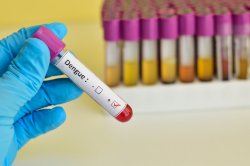
The CDC reviewed all available dengue IgG tests available in the U.S. and found that two tests were satisfactory for sensitivity, but no single test met the specificity requirement of 98 percent. Sensitivity in testing is the ability of a test to accurately confirm the presence of the disease, while specificity is the ability of a test to accurately determine that a disease is not present.
As a result, the CDC states that a two-test algorithm using both the EUROIMMUN Anti-Dengue Virus NS1 Type 1-4 ELISA (IgG) and the CTK BIOTECH On Site Dengue IgG Rapid Test must be used prior to DENGVAXIA vaccination. The use of this two-test algorithm reportedly met the requirement for both sensitivity (greater than or equal to 75 percent) and specificity (greater than or equal to 98 percent). As of May 2024, neither test recommended for use by the CDC has been cleared by the FDA.
IMPORTANT NOTE: NVIC encourages you to become fully informed about Dengue and the Dengue vaccine by reading all sections in the Table of Contents, which contain many links and resources such as the manufacturer product information inserts, and to speak with one or more trusted health care professionals before making a vaccination decision for yourself or your child. This information is for educational purposes only and is not intended as medical advice.
What is the history of Dengue vaccine in America and other countries?
The first vaccine licensed for dengue, DENGVAXIA, manufactured by Sanofi Pasteur, was approved for use in December 2015 in the Philippines by the Philippines FDA. In the spring of 2016, health officials launched a $67 million dollar school-based dengue vaccination program for children nine years of age and older.
Dengue, which cause a mild infection in about 25 percent of individuals with no prior exposure to the virus, can be severe and fatal when a person becomes infected a second time by a different strain of the virus. Despite concerns expressed by scientists on the potential risk that vaccination could act like the first infection and cause enhanced disease when a person comes into contact with dengue, the World Health Organization (WHO) approved DENGVAXIA in 2016 for use in children nine and older.
In November 2017, after Sanofi Pasteur confirmed that DENGVAXIA could cause severe dengue disease in vaccinated children with no past history of dengue, DENGVAXIA vaccine campaigns in the Philippines were immediately halted. Health officials reported that by September 2018, 130 vaccinated children had died, with 19 confirmed to be linked to enhanced disease.
In 2019, the Department of Justice (DOJ) in the Philippines announced that it found probable cause to charge ten Philippine health officials and officials from its Research Institute for Tropical Medicine and the country’s Food and Drug Administration along with six individuals from Sanofi Pasteur, the maker of DENGVAXIA, for recklessness in association with the deaths of ten children who received the vaccine.
In December 2023, a Philippine regional court ordered cases related to the deaths of children vaccinated with DENGVAXIA be consolidated and refiled. The 35 cases allege that “reckless imprudence” by former Health Secretary Janette Garin along and 17 other Department of Health officials and physicians resulted in the death of the vaccinated children. The cases have been filed as criminal cases against these officials, who have since failed to end criminal proceedings against them.
Despite the known risks associated with DENGVAXIA, the U.S. Food and Drug Administration (FDA) approved use of the vaccine on May 1, 2019 in children nine through 16 years of age with laboratory confirmed past history of dengue illness and living in dengue endemic regions. Sanofi Pasteur had initially requested approval of the vaccine for persons aged nine through 45, however, the FDA’s Vaccine and Related Biologics Products Advisory Committee (VRBPAC) determined that the clinical evidence did not show that the vaccine was effective in preventing disease in adults who lived in dengue-endemic U.S. territories and Freely Associated States.
VRBPAC voted 13 to 1 in favor of the vaccine’s efficacy in children nine through 16 years, but only voted 10 to 4 in favor of the vaccine’s safety for use in this population.
In 2021, the U.S. Centers for Disease Control and Prevention recommended use of DENGVAXIA dengue vaccine for children nine through 16 years in 2021 with laboratory confirmed past history of dengue illness living in dengue endemic regions.
The CDC reported reviewing all available dengue IgG tests available in the U.S. and determined that two tests were satisfactory for sensitivity, but no single test met the specificity requirement of 98 percent. Sensitivity in testing is the ability of a test to accurately confirm the presence of the disease, while specificity is the ability of a test to accurately determine that a disease is not present.
As a result, the CDC determined that a two-test algorithm using both the EUROIMMUN Anti-Dengue Virus NS1 Type 1-4 ELISA (IgG) and the CTK BIOTECH OnSite Dengue IgG Rapid Test were needed to be used prior to DENGVAXIA vaccination. The use of this two-test algorithm reportedly met the requirement for both sensitivity (greater than or equal to 75 percent) and specificity (greater than or equal to 98 percent). As of February 2024, neither test recommended for use by the CDC has been cleared by the FDA.
In June 2023, the FDA approved use of DENGVAXIA in children aged six through 16 years of age with laboratory confirmed past history of dengue disease living in dengue endemic areas. No additional clinical trials were completed for this expanded age approval. Instead, the FDA approved use of the vaccine in children as young as six was based on a post-hoc analysis of data from previous clinical trials conducted by the manufacturer.
A second dengue vaccine manufactured by Takeda pharmaceuticals is approved for use in Brazil, Argentina, the United Kingdom, the European Union, Thailand, and Indonesia; however, company officials voluntarily withdrew its application for approval to the US FDA in July 2023 and stated that the decision was due to FDA requests for additional data not captured in clinical trial data.
IMPORTANT NOTE: NVIC encourages you to become fully informed about Dengue and the Dengue vaccine by reading all sections in the Table of Contents, which contain many links and resources such as the manufacturer product information inserts, and to speak with one or more trusted health care professionals before making a vaccination decision for yourself or your child. This information is for educational purposes only and is not intended as medical advice.
How effective is Dengue vaccine?
At this time DENGVAXIA vaccine effectiveness is unknown, as effectiveness is based on real-world data of how the vaccine works in the general population, and DENGVAXIA has just been recently licensed and recommended for use in limited populations in U.S. Territories and Freely Associated States.
However, vaccine efficacy for DENGVAXIA vaccine is known and based on ideal situations like well-designed clinical trials. Notably, vaccine efficacy can differ from vaccine effectiveness because a vaccine may not work as well in the real world. Understanding what efficacy and effectiveness mean is also important. Below is an example from Yale Medicine.
“An example: Imagine there were 100 people in the vaccine group, and 100 people in the placebo group. If 10 people in the placebo group became infected, but only 2 in the vaccine group got sick, that means the vaccine has reduced the chances of illness by 80%; thus, it is considered to have an efficacy of 80%.”
According to studies funded by Sanofi Pasteur, the overall efficacy of DENGVAXIA against symptomatic laboratory confirmed dengue, hospitalization for dengue, and severe dengue is 82 percent, 79 percent, and 84 percent respectively. Sanofi Pasteur also notes a vaccine efficacy of 67 percent against both dengue type 1 and type 2, 80 percent against dengue type 3, and 89 percent against dengue type 4.
IMPORTANT NOTE: NVIC encourages you to become fully informed about Dengue and the Dengue vaccine by reading all sections in the Table of Contents, which contain many links and resources such as the manufacturer product information inserts, and to speak with one or more trusted health care professionals before making a vaccination decision for yourself or your child. This information is for educational purposes only and is not intended as medical advice.
Can Dengue vaccine cause injury and death?
According to the package insert for DENGVAXIA, the most commonly reported adverse reactions following vaccination included headache, injection site pain, generalized discomfort (malaise), lack of energy, and muscle pain. Additional reported adverse reactions included abdominal pain, vomiting, shortness of breath, generalized redness of the skin (erythema), hives, asthma crisis, and vertigo.
The safety of DENGVAXIA vaccine was evaluated in 12 clinical trials that studied the vaccine in children aged six through 16 years, with 22,924 receiving at least one vaccine dose, and 10,668 receiving a placebo (reported as a 0.9 percent sodium chloride solution). In the 12 clinical trials, there were four serious non-fatal adverse events that were considered to be related to DENGVAXIA. Adverse events within 24 hours of the first dose of vaccine included a convulsion and an asthma attack, and disseminated encephalomyelitis reported as occurring seven days following the first dose of the vaccine. Additionally, an adverse event of hives within 24 hours of the second dose was also reported.
From dose one through 72 months, 53 deaths (0.2 percent) occurred among children who received DENGVAXIA, and 34 deaths (0.3 percent) among those who received the placebo, representing an increase in death of about 56 percent in vaccinated children. However, according to clinical trial investigators and the FDA, none of the deaths were linked to vaccination.
DENGVAXIA vaccine has been linked to severe dengue infection, dengue associated hospitalization, and death in individuals whose dengue infection status before vaccination was not known, and who developed dengue after vaccination.
In 2019, the Department of Justice (DOJ) in the Philippines announced that it found probable cause to charge ten Philippine health officials and officials from its Research Institute for Tropical Medicine and the country’s Food and Drug Administration along with six individuals from Sanofi Pasteur, the maker of DENGVAXIA, for recklessness in association with the deaths of ten children who received the vaccine. According to the DOJ, Philippine health officials disregarded regulations and purchased nearly $68 million worth of the vaccine even though clinical trials had not yet been completed.
Over 700,000 students in the Philippines were administered DENGVAXIA vaccine in 2016. In late 2017, Sanofi Pasteur announced that DENGVAXIA could cause severe dengue infection in vaccinated people without a prior history of dengue infection who subsequently contracted the infection.
In December 2023, a Philippine regional court ordered that cases related to the deaths of children vaccinated with DENGVAXIA be consolidated and refiled. The 35 cases allege that “reckless imprudence” by former Health Secretary Janette Garin along and 17 other Department of Health officials and physicians resulted in the death of the vaccinated children. The cases have been filed as criminal cases against these officials, who have since failed to end criminal proceedings against them.
Using the MedAlerts search engine, as of July 31, 2026, there have been 561 reports of dengue vaccine reactions, including 192 hospitalizations, and 270 deaths, which translates to nearly 50 percent of the adverse events reported resulted in death. Additionally, nearly all of the reported adverse reactions and deaths associated with the dengue vaccine were in children receiving the vaccine without laboratory confirmation of a previous dengue infection and who subsequently developed a second infection, seemingly justifying concerns relating to the potential for the vaccine to trigger severe disease.
Outstanding Safety Concerns
It is not known whether DENGVAXIA dengue vaccine, a live virus vector vaccine, is capable of recombination. Recombination occurs when two related genomic variants of a virus infect the same cell and cause a new and potentially virulent virus. For example, the oral polio vaccine (OPV), a traditional live attenuated vaccine, has recombined with related human enteroviruses to cause new circulating vaccine-derived polioviruses (cVDPV). While this process is known to occur between traditional live attenuated vaccines and wild-type viruses, it is not yet known whether this can also occur with the use of novel live virus vector vaccine technologies.
IMPORTANT NOTE: NVIC encourages you to become fully informed about Dengue and the Dengue vaccine by reading all sections in the Table of Contents, which contain many links and resources such as the manufacturer product information inserts, and to speak with one or more trusted health care professionals before making a vaccination decision for yourself or your child. This information is for educational purposes only and is not intended as medical advice.
Who is at highest risk for suffering Dengue vaccine complications?
Individuals with no prior history of dengue are at an increased risk of developing severe dengue infection should they receive DENGVAXIA vaccine and become infected with the dengue virus. Children under the age of six, including children with a prior history of dengue illness, may be at an increased risk of severe dengue illness and hospitalization if they are administered DENGVAXIA and become infected with any serotype of dengue.
DENGVAXIA vaccine is a live attenuated vaccine. Person who are severely immunocompromised may be at an increased risk of complications should they receive the vaccine.
Individuals with a prior history of allergic reaction to a previous dose of DENGVAXIA or to any of its ingredients may be at an increased risk of complications if administered the vaccine.
IMPORTANT NOTE: NVIC encourages you to become fully informed about Dengue and the Dengue vaccine by reading all sections in the Table of Contents, which contain many links and resources such as the manufacturer product information inserts, and to speak with one or more trusted health care professionals before making a vaccination decision for yourself or your child. This information is for educational purposes only and is not intended as medical advice.
Who should not get Dengue vaccine?
DENGVAXIA dengue vaccine is FDA approved for use in persons aged six through 16 years with laboratory confirmed history of dengue infection living in dengue endemic areas. Individuals with no prior history of dengue infection, or whose history is not known should not receive DENGVAXIA vaccine. Children younger than six years of age and persons older than aged 16 should not receive the vaccine.
Individuals with a prior history of allergic reaction to a previous dose of DENGVAXIA or to any of its ingredients should not receive the vaccine.
Clinical data is not sufficient to support the safety or effectiveness of DENGVAXIA vaccine in pregnant women, and it is not known whether the vaccine virus can be transmitted from mother to infant.
Persons who are severely immunocompromised due to disease or therapies should not receive DENGVAXIA vaccine.
There is no data to support the use of DENGVAXIA vaccine in persons who do not live in dengue endemic areas who travel to areas where dengue is endemic.
IMPORTANT NOTE: NVIC encourages you to become fully informed about Dengue and the Dengue vaccine by reading all sections in the Table of Contents, which contain many links and resources such as the manufacturer product information inserts, and to speak with one or more trusted health care professionals before making a vaccination decision for yourself or your child. This information is for educational purposes only and is not intended as medical advice.
What questions should I ask my doctor about Dengue vaccine?
NVIC If You Vaccinate, Ask 8! downloadable brochure suggests asking eight questions before you make a vaccination decision for yourself, or for your child. If you review these questions before your appointment, you will be better prepared to ask your doctor questions.
To be more fully informed about the vaccine, it is important to read the vaccine manufacturer’s product insert if you are considering dengue vaccination. Federal law requires drug companies marketing vaccines to include certain kinds of vaccine benefit, risk and use information in product information inserts. The dengue vaccine package insert is located on the Food and Drug Administration’s website and is also available under NVIC’s Quick Facts.
NVIC provides the public with referenced information on both the disease and vaccine to empower informed decision-making and encourages consumers to further explore these references as vaccine decisions are made.
Other questions that may be useful to discuss with your doctor before getting the dengue vaccine are:
- If other vaccines in addition to dengue vaccine are scheduled for my child at this office visit, am I allowed to modify the schedule so fewer vaccines are given at once?
- If I, or my child, has not had dengue, what are the risks associated with dengue vaccination?
- Is screening for dengue prior to vaccination recommended?
- What should I do if my child has a high fever or appears very ill after vaccination?
- What other kinds of reaction symptoms should I call to report after vaccination with dengue vaccine?
- What known vaccine reactions are associated with dengue vaccine?
- If the dengue vaccine doesn’t protect my child, do I have any other options for preventing dengue infection?
In alignment with the informed consent ethic, which has guided the ethical practice of modern medicine, vaccine providers should answer your questions, and/or provide you with resources to learn more. The informed consent ethic, which is recognized globally as a human right, also states that individuals should be able to delay or refuse treatments and interventions without coercion or punishment.
Under the National Childhood Vaccine Injury Act of 1986, doctors and all vaccine providers are legally required to give you vaccine benefit and risk information before vaccination; record serious health problems following vaccination in the permanent medical record; keep a permanent record of all vaccines given, including the manufacturer’s name and lot number; and report serious health problems, injuries and deaths that follow vaccination to VAERS.
Remember, if you choose to vaccinate, always keep a written record of exactly which shots/vaccines you or your child have received, including the manufacturer’s name and vaccine lot number. Write down and describe in detail any serious health problems that develop after vaccination, and keep vaccination records in a file you can access easily.
It also is important to be able to recognize a vaccine reaction and seek immediate medical attention if the reaction appears serious, as well as know how to make a vaccine reaction report to federal health officials at the Vaccine Adverse Reporting System (VAERS). NVIC’s Report Vaccine Reactions—It’s the Law webpage can help you file a vaccine reaction report yourself to VAERS if your doctor fails or refuses to make a report.
IMPORTANT NOTE: NVIC encourages you to become fully informed about Dengue and the Dengue vaccine by reading all sections in the Table of Contents, which contain many links and resources such as the manufacturer product information inserts, and to speak with one or more trusted health care professionals before making a vaccination decision for yourself or your child. This information is for educational purposes only and is not intended as medical advice.
NVIC Press Releases, Statements & Commentaries Related to Dengue
The Vaccine Reaction
TVR Staff. FDA Licenses Dengvaxia Vaccine After Students Die in Philippines. May 9, 2019.
TVR Staff. Philippines to Charge Sanofi, Public Health Officials for Dengue Vaccine Deaths. Apr. 4, 2019.
TVR Staff. Dengvaxia Vaccine Raises Risk of Severe Dengue Infection. June 25, 2018.
Mercola J. Dengvaxia Vaccine May Lead to More Cases of Dengue. Jan. 2, 2018.
TVR Staff. Takeda To Build Dengue Vaccine Manufacturing Plant in Germany. Dec. 20, 2016.
TVR Staff. Sanofi Nears Launch of World’s First Dengue Vaccine. July 22, 2015.
IMPORTANT NOTE: NVIC encourages you to become fully informed about Dengue and the Dengue vaccine by reading all sections in the Table of Contents, which contain many links and resources such as the manufacturer product information inserts, and to speak with one or more trusted health care professionals before making a vaccination decision for yourself or your child. This information is for educational purposes only and is not intended as medical advice.
Dengue disease & vaccine quick facts
Quick Facts
Dengue
- Dengue is an illness caused when bitten by a dengue infected mosquito, typically found in tropic and subtropic regions, including the U.S. Territories and Freely Associated States (Puerto Rico, U.S. Virgin Islands, American Samoa, the Federated States of Micronesia, the Republic of Marshall Islands, and the Republic of Palau), the Caribbean, South and Central America, Southeast Asia, Sub-Saharan Africa, Indonesia, and Northeastern Australia.
- Infection can range from asymptomatic to mild or severe illness. The illness generally presents as a high fever 4-7 days after infection followed by a red, flat rash covering the entire body often occurs 2-5 days after the fever begins. A second “measles-like” rash may also appear on the skin. Additional symptoms include nausea, vomiting, fatigue, muscle and joint pain, headache mainly behind the eyes, cough, swollen lymph nodes, nasal congestion, and sore throat.
- Severe dengue is more commonly seen in individuals who are infected a second time with symptoms that include stomach pain and tenderness, vomiting three or more times in 24 hours, bleeding from the gums or nose, vomiting of blood or blood in the stool or urine, fatigue, difficulty breathing, bleeding under the skin, irritability, or restlessness. These symptoms generally appear 24-48 hours after the fever has subsided. Severe dengue can lead to death, often from a rapid decrease in blood pressure that results in shock. Between 2010 and 2021, less than one percent of all travel-associated dengue cases among U.S. travelers resulted in death.
- Approximately 25 percent of individuals exposed to dengue will develop symptoms and most people who become sick will recover within one week. Only 5 percent of symptomatic dengue cases will develop severe illness.
- There is no specific treatment for dengue. Ensuring adequate hydration and fluids is recommended. Acetaminophen and tepid baths are recommended to reduce fevers associated with dengue. Persons infected with dengue should watch for warning signs of severe dengue and seek prompt medical attention if necessary.
Dengue Vaccine
- The U.S. Food and Drug Administration (FDA) has approved DENGVAXIA for use in children and adolescents ages six through 16 years with a laboratory confirmed history of previous dengue infection and living in a dengue endemic area. DENGVAXIA is a live tetravalent vaccine targeting dengue serotypes 1, 2, 3, and 4. The U.S. Centers for Disease Control and Prevention (CDC) recommends DENGVAXIA vaccine for use in children aged nine through 16 years with a laboratory confirmed history of past dengue infection living in dengue endemic U.S. Territories and Freely Associated States.
- DENGVAXIA is not approved for individuals with no prior history of dengue infection or where the history of previous infection is unknown. The vaccine has been linked to severe dengue infection, dengue associated hospitalization, and death in individuals whose dengue infection status before vaccination was unknown, and who developed dengue after vaccination.
- The most commonly reported adverse reactions following vaccination with DENGVAXIA included headache, injection site pain, generalized discomfort (malaise), lack of energy, and muscle pain. Additional reported adverse reactions included abdominal pain, vomiting, shortness of breath, generalized redness of the skin (erythema), hives, asthma crisis, and vertigo. Serious adverse events reported after vaccination include convulsion, acute disseminated encephalomyelitis, hives, acute asthma, and death.
- Because DENGVAXIA has only recently been licensed for limited use in endemic areas, effectiveness is unknown at this time, as effectiveness is based on real-world data on how the vaccine works in the general population.
- Using the MedAlerts search engine, as of July 31, 2026, there have been 561 reports of dengue vaccine reactions, including 192 hospitalizations, and 270 deaths. Nearly 50 percent of adverse events reported following dengue vaccination resulted in death. Of those reports, nearly all of the adverse reactions and deaths occurred in children who received the vaccine without laboratory confirmation of a previous dengue infection and who subsequently developed a second infection.
IMPORTANT NOTE: NVIC encourages you to become fully informed about Dengue and the Dengue vaccine by reading all sections in the Table of Contents, which contains many links and resources such as the manufacturer product information inserts, and to speak with one or more trusted health care professionals before making a vaccination decision for yourself or your child. This information is for educational purposes only and is not intended as medical advice.
Centers for Disease Control (CDC)
Food and Drug Administration (FDA)
DENGVAXIA (Dengue Tetravalent Vaccine, Live) – Sanofi Pasteur Package Insert and Licensing Information
National Institutes of Health (NIH) and Affiliates
World Health Organization (WHO)